Missouri
Federal Funding for Tribal Water Systems: A Step Towards Equity
The recent EPA funding announcement aims to improve drinking water and wastewater services for Tribal communities across the U.S.
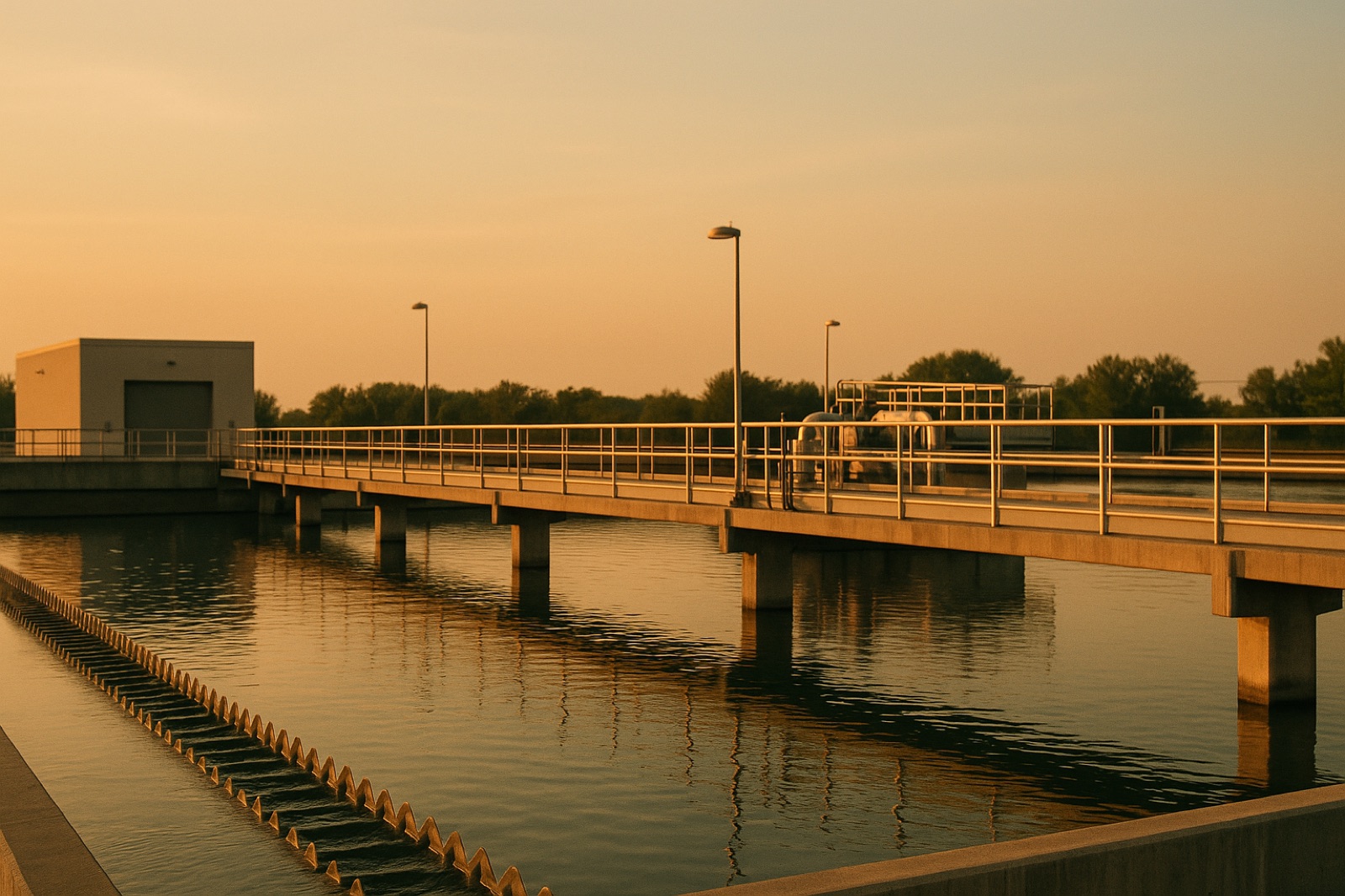
In June 2023, the U.S. Environmental Protection Agency (EPA) announced a significant funding initiative, allocating over $227 million to American Indian Tribes and Alaska Native Villages. This funding is designed to enhance drinking water and wastewater services in these communities, which often face unique challenges regarding water access and quality.
Understanding the Impact of the Funding
The funding directed to Tribal communities serves multiple purposes. It addresses longstanding issues of insufficient infrastructure and inadequate service delivery. Many of these communities have faced severe challenges in accessing safe and reliable drinking water, a fundamental right that is often taken for granted. The EPA's funding is expected to catalyze improvements not only in the physical infrastructure of water systems but also in the overall health and well-being of these populations.
According to the EPA, having access to clean drinking water is essential for public health, economic stability, and environmental protection. The agency's initiative reflects a commitment to rectify historical inequities in water access and quality, particularly for marginalized groups across the nation.
The Role of Water Infrastructure
Water systems in the Midwest, particularly in Tribal areas, often rely on a mix of federal, state, and local funding for their operation and maintenance. The funding announced by the EPA will help to modernize aging infrastructure, which is critical for improving water quality and reliability. In many cases, infrastructure was built decades ago and has not kept pace with population growth or modern health standards.
Improving water infrastructure involves more than simply laying new pipes or upgrading treatment plants. It requires comprehensive assessments of existing systems to identify weaknesses and prioritizing projects that will have the most significant impact on community health and safety. This funding will help communities undertake those assessments and implement the necessary upgrades.
Challenges Ahead
While the funding is a positive step, challenges remain. Tribal communities often face unique hurdles, including geographical isolation, limited administrative resources, and varying levels of technical expertise. These factors can complicate the implementation of new water projects.
Moreover, the variability in climate change impacts can exacerbate existing issues. For instance, changing precipitation patterns and extreme weather events can strain water systems that are already underfunded and poorly maintained. As such, the EPA's funding not only aims to address current deficiencies but also prepares these communities for future challenges.
A Broader Context
This initiative aligns with broader efforts to ensure equitable access to water resources across the United States. Environmental justice advocates have long pointed out the disparities in water quality and access faced by marginalized communities, particularly those on Tribal lands. The EPA's funding is a response to these criticisms and a recognition of the need for more inclusive water management practices.
As the EPA strengthens its focus on equity, it is crucial for local water authorities, Tribal leaders, and community organizations to collaborate effectively. Engaging stakeholders in the planning and execution of water projects will enhance the chances of success and ensure that the unique needs of each community are met.
In conclusion, the recent announcement by the EPA regarding significant funding for Tribal water systems represents a crucial step towards addressing historical inequities in water access. The investment in infrastructure will not only improve service delivery but also contribute to the overall health and sustainability of these communities. However, it is essential to remain vigilant and proactive in overcoming the challenges that lie ahead.
For further details on the EPA's funding initiative, see the article from Water Finance and Management.