Wells & Rural
When a Farm Chemical Enters the News, Build a Local Water Education Plan
A practical field guide can help Midwest water companies answer homeowner questions without turning a developing national story into a local water claim.
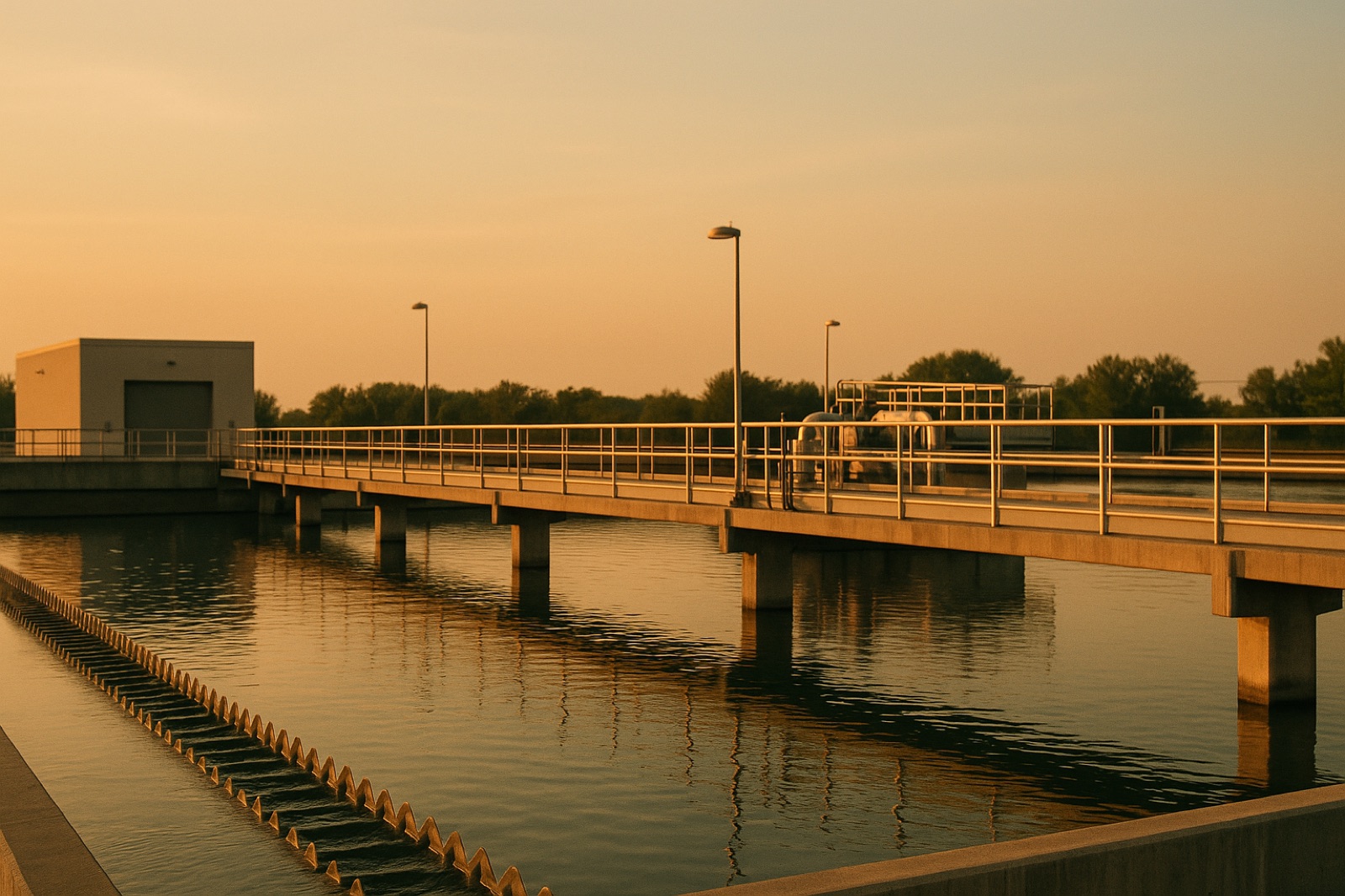
A national story about an agricultural chemical can quickly become a local water question. Homeowners may wonder whether the substance is used nearby, whether it can reach a well, what a laboratory can test for, and whether treatment equipment would make a difference.
Those are reasonable questions, but a local water company should not answer them by treating national coverage as proof of a problem at a particular address. The Guardian, in reporting by Carey Gillam, described undisclosed safety data and litigation involving paraquat. Its summary says Syngenta denies withholding relevant data from the Environmental Protection Agency and notes that the chemical remains on the United States market despite bans elsewhere.
That reporting offers a useful prompt for Midwest water businesses: prepare an education system before anxious questions arrive. The system should help a homeowner move from a broad headline to a specific, documented next step without implying that every well is contaminated or that every treatment device addresses the chemical in question.
Start with a homeowner question map
A question map organizes the conversation by what is known. The first branch is water source: private well, community system, or another arrangement. The second is the homeowner's reason for asking: a news report, a nearby land use, a notice from a utility, an unusual taste or odor, or an existing laboratory result.
The next branch concerns evidence. Has the water been tested for the substance being discussed? Is the laboratory method appropriate for that substance? Does the result include units, a detection limit, a collection date, and the name of the laboratory? If no result exists, the useful next step may be identifying an appropriate test rather than discussing equipment.
The final branch is response. A company can explain what it installs, what evidence it needs to recommend a system, and how performance would be checked afterward. It should also say clearly when it cannot interpret a health question or establish whether a farm used a particular product.
Put education on a local calendar
A practical calendar does not need a new campaign every week. One monthly topic can support a short article, a homeowner handout, an email, and a staff discussion. Seasonal subjects might include well testing, spring runoff questions, filter maintenance, laboratory reports, and the difference between aesthetic concerns and identified contaminants.
Leave room for news-driven education, but require a review before publication. The review should ask whether the source is identified, whether dates are explicit, whether national developments are being presented as local facts, and whether the material distinguishes testing from treatment.
This calendar can also connect public education to business development without disguising one as the other. A company trying to build a local demand system should make the educational step useful even when the reader never becomes a customer.
Use a lead-capture checklist
A qualified inquiry needs more than a name and phone number. With the homeowner's permission, an intake form can record the water source, general service area, reason for concern, available test results, current equipment, desired timing, and preferred contact method. It should avoid asking the homeowner to diagnose the water or select equipment before review.
The form also needs a plain explanation of what happens next. Will staff review a report, arrange a sampling conversation, or schedule a site visit? Who will call, and when? A useful form sets that expectation before the homeowner presses submit.
Build the follow-up around evidence
The first response should acknowledge the actual question and request any missing documents. The second step is internal: match the inquiry with someone able to discuss testing, equipment, or service history. The third is a written recap that separates confirmed facts, unanswered questions, and the proposed next action.
If equipment is recommended, the follow-up should connect that recommendation to the available water data and explain how results will be verified. If the company cannot help, a clear referral category, such as a certified laboratory, the homeowner's utility, or an appropriate public agency, is more useful than a generic sales sequence.
A sample campaign brief
Audience: Rural homeowners asking whether a chemical mentioned in national news affects their water. Homeowner question: What information do I need before considering treatment? Educational promise: A short path from headline to source identification, testing questions, and documented follow-up. Primary asset: A one-page question map. Call to action: Submit an existing laboratory report or request a conversation about suitable testing. Guardrails: No claim of local contamination without evidence, no health conclusions, and no equipment promise unsupported by test data. Measure: Completed intake forms that contain enough information for a useful next step.
Midwest Water News recorded 3,248 page views, 1,804 visitors, 3,332 AI crawls, and 1,891 search crawls in the supplied figures. No assists, queries, or trend series were provided. Those numbers show that people and automated systems reached the site, but they do not identify which questions produced qualified inquiries. A local campaign should therefore measure its own path from education to documented follow-up, not treat traffic alone as evidence of homeowner demand.