Illinois
How Extreme Heat Affects Water Supply in the Midwest
Exploring the relationship between rising temperatures and regional water systems.
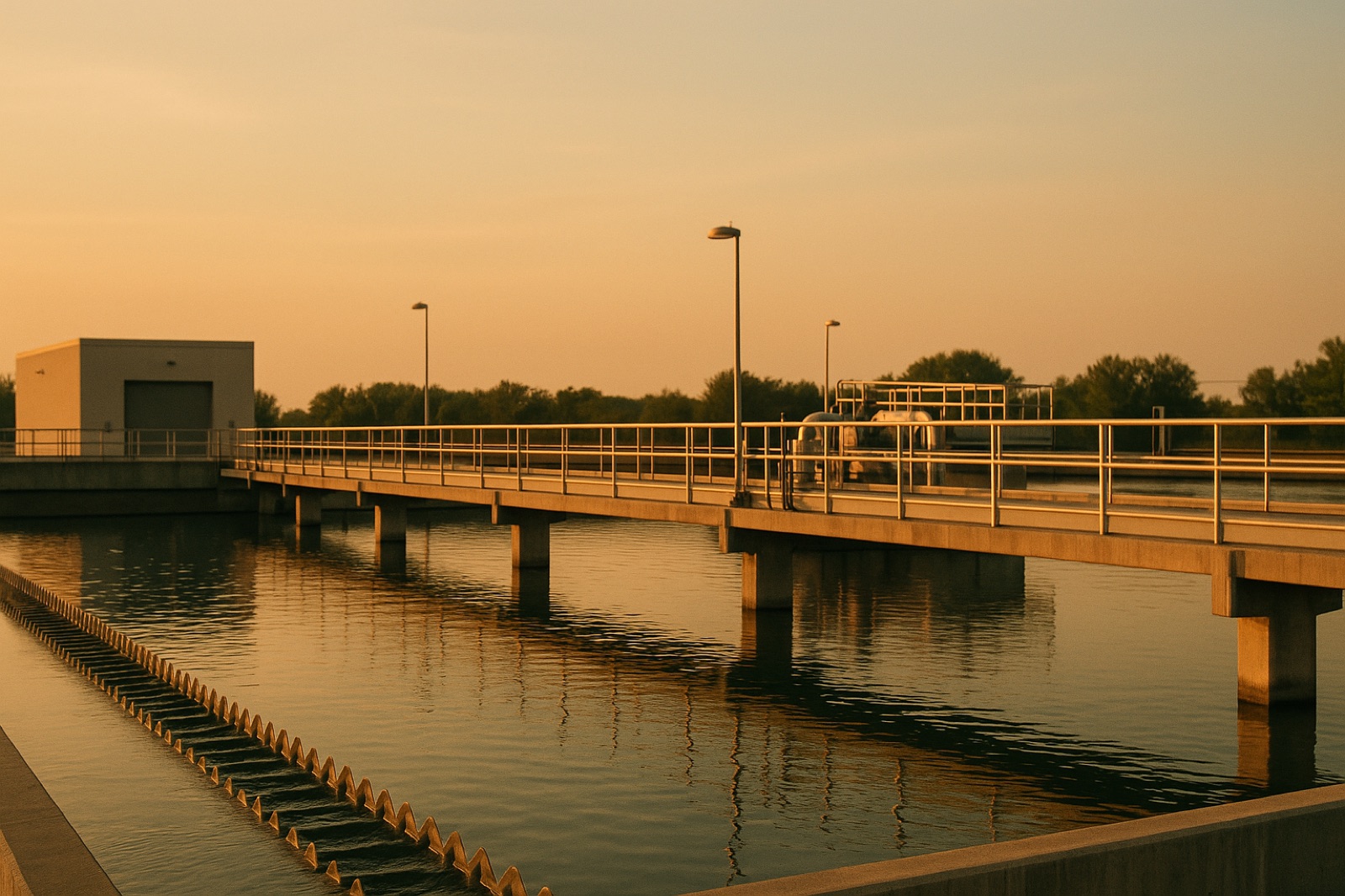
As summer temperatures continue to rise across the Midwest, understanding how extreme heat impacts water systems becomes crucial for local communities. This relationship is especially significant given the context of climate change, which has been pushing average temperatures higher, leading to increased evaporation rates and altered precipitation patterns.
Rising Temperatures and Water Demand
As air conditioning usage spikes during heat waves, so does water demand. High temperatures can lead to increased water consumption in households and businesses, particularly for cooling and irrigation. This uptick in demand can strain local water systems, particularly in areas that rely on surface water sources such as rivers or lakes. For instance, communities in Illinois often draw from the Illinois River and Lake Michigan to meet their water needs. When temperatures soar, these sources may not be able to keep pace with heightened consumption.
Water utilities must balance this increased demand with the availability of water, which can be difficult during prolonged periods of heat. A significant concern is that higher temperatures can lead to lower water levels in rivers and lakes, reducing the volume of water available for municipal use.
Heat and Water Quality Concerns
In addition to increased demand, extreme heat can also affect water quality. Warmer temperatures can promote algae blooms in lakes and reservoirs, which can lead to harmful toxins entering drinking water supplies. This situation necessitates more intensive water quality monitoring and treatment processes. Utilities may need to invest in additional filtration and disinfection technologies to ensure that water remains safe for consumption, particularly during heat waves.
Moreover, the presence of aged or outdated infrastructure can further complicate the situation. Older pipes may not only leak, leading to water loss, but they can also allow contaminants from the surrounding environment to infiltrate the water supply. Communities must consider investing in infrastructure improvements to mitigate these risks.
Strategies for Managing Water Resources
Given the challenges posed by extreme heat, midwestern communities are exploring various strategies to enhance their water management practices. These strategies include investing in green infrastructure, such as rain gardens and permeable pavements, which can help absorb rainwater and reduce runoff. By improving groundwater recharge, these methods can contribute to maintaining healthy water supplies even during drought conditions.
Additionally, public education campaigns can promote water conservation practices among residents. Simple measures, such as fixing leaks, using water-efficient appliances, and adjusting irrigation schedules, can collectively make a significant difference in reducing water consumption during peak demand periods.
The Bigger Picture
The connection between extreme heat and water supply is part of a broader dialogue about climate resilience. The Midwest faces unique challenges as climate patterns shift, influencing not just water availability but also agricultural practices and ecosystem health. As noted in a recent article by Mark Wolfe in The Guardian, "the next great climate divide will be between countries that have the resources to adapt and those that don’t." This statement rings true for midwestern states as they grapple with how to adapt their water systems to the changing climate.
Ultimately, addressing the intersection of extreme heat and water supply will require concerted efforts from policymakers, local governments, and communities. Through collaboration, investment in infrastructure, and proactive management strategies, the Midwest can better prepare for the challenges posed by a warming climate.