Great Lakes
Examining the Great Lakes PFAS Issue: A Regional Challenge
The contamination of water systems with PFAS, or 'forever chemicals', poses significant challenges for Great Lakes communities.
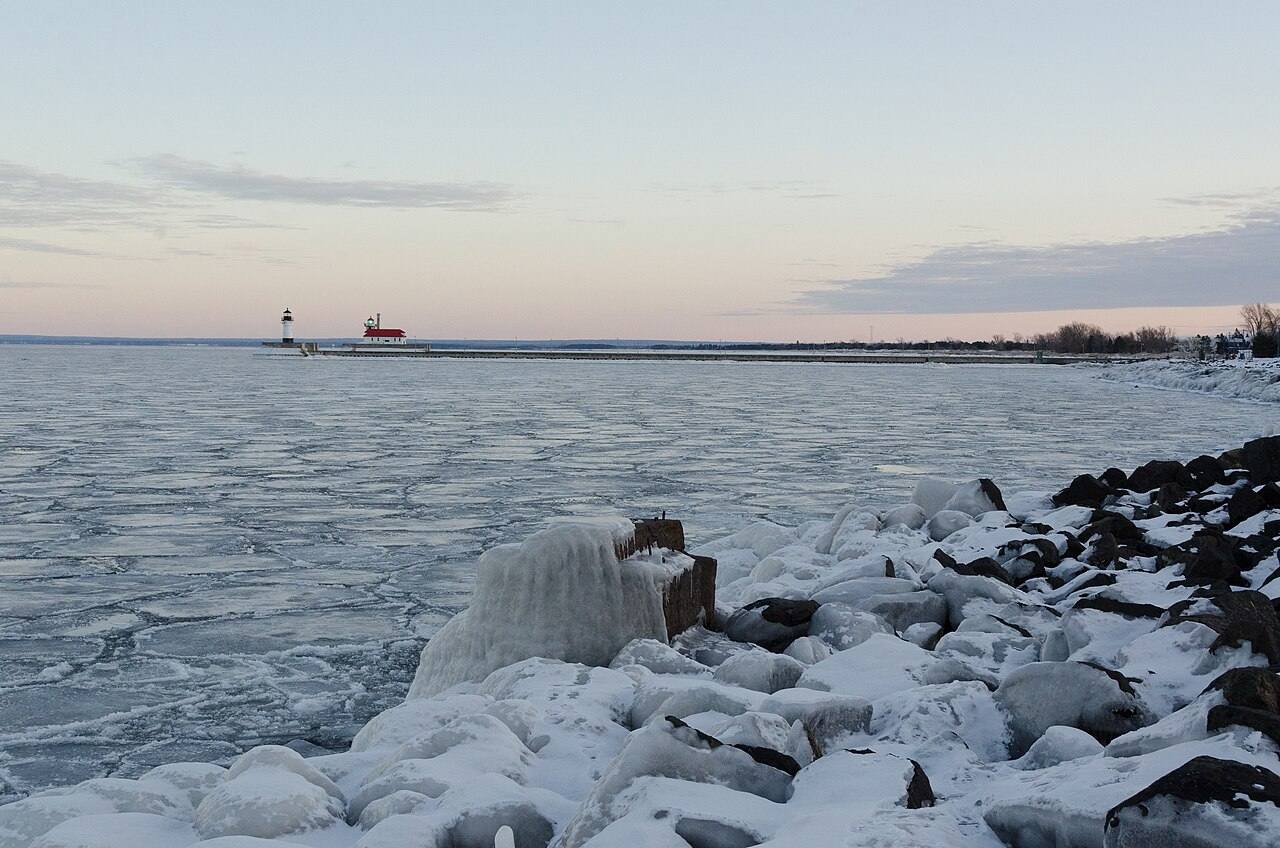
The Great Lakes region, home to a vast network of waterways that supply drinking water to millions, is currently grappling with a significant environmental concern: PFAS, or per- and polyfluoroalkyl substances. Often dubbed ‘forever chemicals’ due to their persistence in the environment and human body, these substances are increasingly being scrutinized for their potential effects on public health and the ecosystem.
In North Bay, Ontario, federal officials have recently addressed the local populace regarding the ongoing PFAS contamination in the area, highlighting the urgency of remediation efforts. As reported by Circle of Blue, the local government is undertaking measures to tackle this long-standing issue. The presence of PFAS in water systems is a pressing concern, especially considering its implications for drinking water quality and public health.
Understanding PFAS and Its Sources
PFAS are a group of man-made chemicals that have been used in various industries, including firefighting foam, water-repellent fabrics, and non-stick cookware. Their widespread use, coupled with their chemical stability, means they do not break down easily in the environment. As a result, PFAS has been detected in water supplies around the country, including in parts of the Midwest.
The sources of PFAS contamination can vary significantly. In urban areas, runoff from industrial sites and wastewater treatment plants can introduce these chemicals into local water systems. In rural regions, agricultural practices and the use of certain pesticides may contribute to the problem, complicating efforts to identify and mitigate sources.
The Great Lakes and Community Responses
The Great Lakes not only serve as a critical source of drinking water for millions but also support a diverse ecosystem and a robust economy, including tourism and fishing. As communities begin to confront the impacts of PFAS, local responses have started to take shape. Efforts include monitoring water quality, providing public education about the risks associated with PFAS, and advocating for stricter regulations on chemical usage.
In addressing PFAS contamination, transparency is crucial. Local water authorities and government agencies are encouraged to conduct comprehensive testing and make the results publicly available. This builds trust within communities and empowers residents with the knowledge needed to advocate for clean water.
Regulatory Framework and Future Steps
At a broader level, the regulatory framework surrounding PFAS is evolving. In the United States, environmental agencies are increasingly focused on establishing guidelines for acceptable levels of PFAS in water supplies. These initiatives aim to limit exposure and encourage the development of safer alternatives.
Furthermore, collaboration among states, municipalities, and tribal nations is essential for addressing this regional challenge. Sharing resources, research, and technology can enhance local capabilities to manage PFAS contamination effectively. As seen in other contexts, such as the efforts of Native American tribes to secure their water rights in the Colorado River basin, coordinated action can yield significant benefits for all stakeholders involved.
Conclusion
As the Great Lakes region confronts the challenges posed by PFAS contamination, community engagement and robust regulatory measures will be paramount. Addressing this issue requires not only immediate action but also long-term commitment to safeguarding water quality for future generations. With ongoing efforts to remediate and regulate PFAS, there is hope that the Great Lakes can remain a source of clean, safe water for all who depend on them.
For more information about local efforts to manage PFAS, residents can follow updates from their municipal water authorities and environmental agencies.