Great Lakes
When a Drinking Water Threat Crosses the Border, What Can a Town Do?
The concern facing Fort Frances, Ontario, shows why communities around shared Great Lakes waters need plans that begin long before an intake is disrupted.
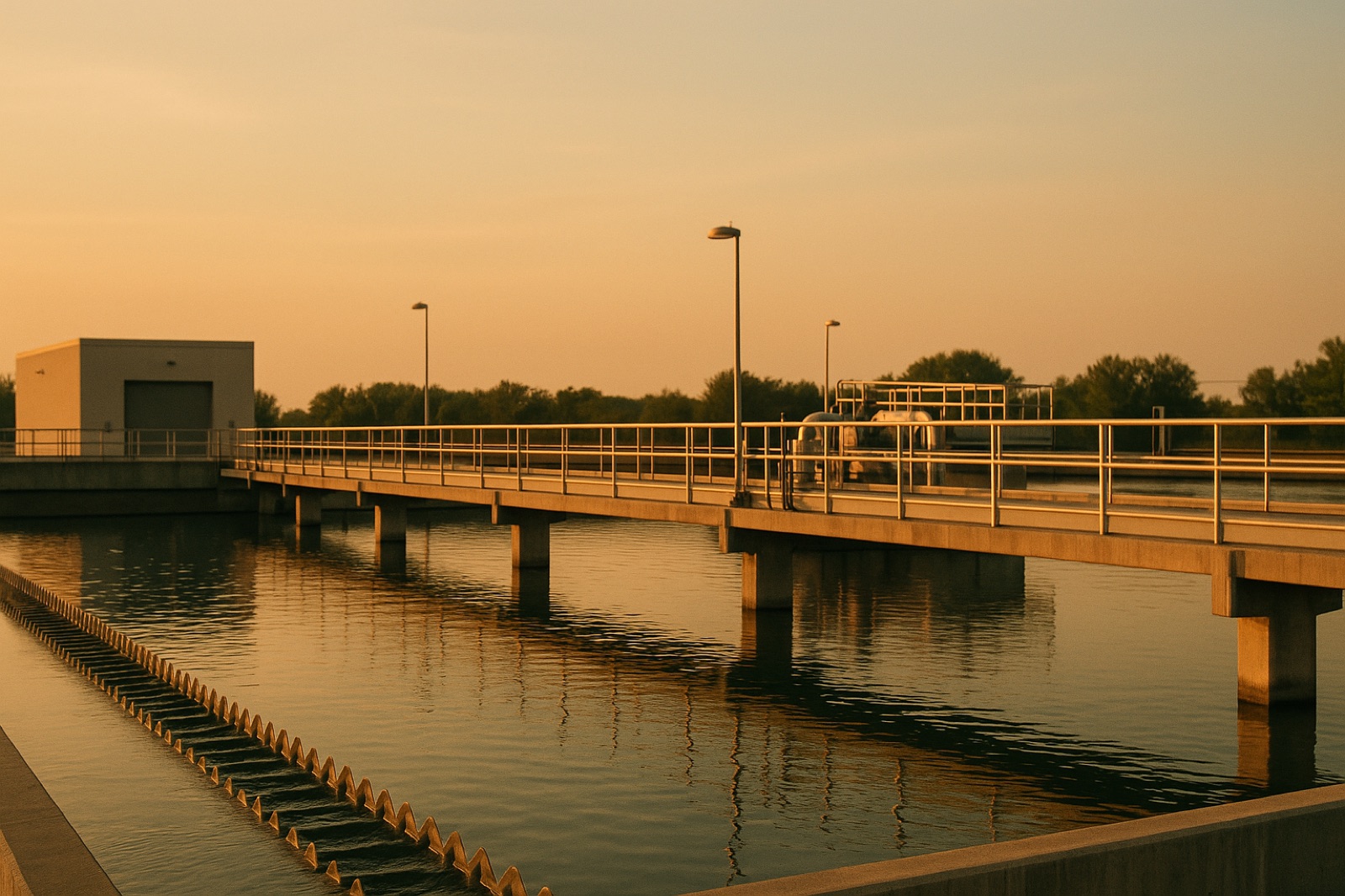
A drinking water intake may sit within one town, but the water reaching it can come from a watershed that crosses counties, states, provinces and national borders. That geography complicates a basic public responsibility: keeping safe water available when activity elsewhere threatens the source.
In a report by Circle of Blue, the outlet describes the water supply questions facing Fort Frances, Ontario. The town of about 7,500 sits where Rainy Lake empties into the Rainy River, along the U.S. border, and is preparing for a severe scenario connected to a proposed U.S. mine.
The story raises a practical question for communities throughout the Great Lakes region: What can a water utility prepare when it does not control every activity in the watershed?
Protection begins outside the treatment plant
A drinking water plant is designed around the source it normally receives. Operators adjust treatment as conditions change, but a plant is not an all-purpose barrier capable of handling any contaminant at any concentration.
That is why source-water protection matters. Communities identify the land and water areas that feed an intake, consider what could enter that water and determine which threats deserve closer monitoring. The resulting map may extend far beyond the utility's service boundary.
When the watershed crosses a border, the utility may not issue permits or inspect facilities on the other side. It can still ask whether monitoring locations, notification procedures and agency contacts are established before a problem occurs. A phone number exchanged during an emergency is useful. A written process that identifies who calls, what information is shared and how quickly it moves is stronger.
A backup source is a system, not a label
Officials sometimes refer to an alternate intake, neighboring utility connection or groundwater source as a backup. Residents should ask what that word means in practice.
Can the backup provide enough water for essential use? Has the connection been operated under realistic conditions? Does the alternate water require different treatment? Are pumps, electrical service and control equipment ready? A source that exists on a map may still require construction, permits or operating changes before water can reach customers.
Storage also matters, but it buys time rather than creating new water. Tanks can help a system continue service while operators investigate a change, isolate equipment or activate another supply. The useful window depends on demand, available storage and which parts of the system remain functional.
Monitoring needs a decision attached to it
More sampling does not automatically produce a better response. A useful monitoring plan connects each result to an action.
Residents reviewing a utility plan can look for four elements: where samples are collected, what is being tested, how quickly results arrive and what threshold prompts a change in operations. The plan should also address who receives the result after normal business hours.
Routine testing, early-warning monitoring and emergency sampling serve different purposes. Routine tests document ordinary performance. Early-warning stations may help identify a change before it reaches an intake. Emergency sampling helps define the extent of a suspected problem. Confusing those roles can create false reassurance or unnecessary alarm.
Household equipment cannot replace a public supply
Some households may respond to source-water concerns by considering filters or other treatment equipment. Those devices can be useful when they are selected for a specific, measured problem and maintained correctly. They are not a substitute for a utility's contingency plan, especially if the concern involves an uncertain contaminant or interruption of the source itself.
Before buying equipment, residents should identify whether a claim applies to one tap or the whole house, which contaminant the device is certified to reduce and how often cartridges or media must be replaced. Our guide to coverage for home systems and appliances explains another part of that household planning. None of those steps creates water if the public intake must close.
Questions residents can ask now
A community does not need to wait for a warning to discuss resilience. Residents can ask the utility where its source-water assessment is available, which agencies would provide notice of a cross-border problem and whether an alternate supply has been tested.
They can also ask how updates would reach people who do not use social media, what services receive priority during a shortage and when customers would be told to conserve water.
The lesson from Fort Frances is not that every proposed project will damage a water supply. It is that uncertainty has operational consequences. When the watershed extends beyond local authority, preparedness depends on clear monitoring, tested alternatives and communication arrangements that cross the same borders as the water.