Infrastructure
The Cost of Water Infrastructure Upgrades in the Midwest
Exploring the financial and social implications of necessary water system improvements in the Midwest.
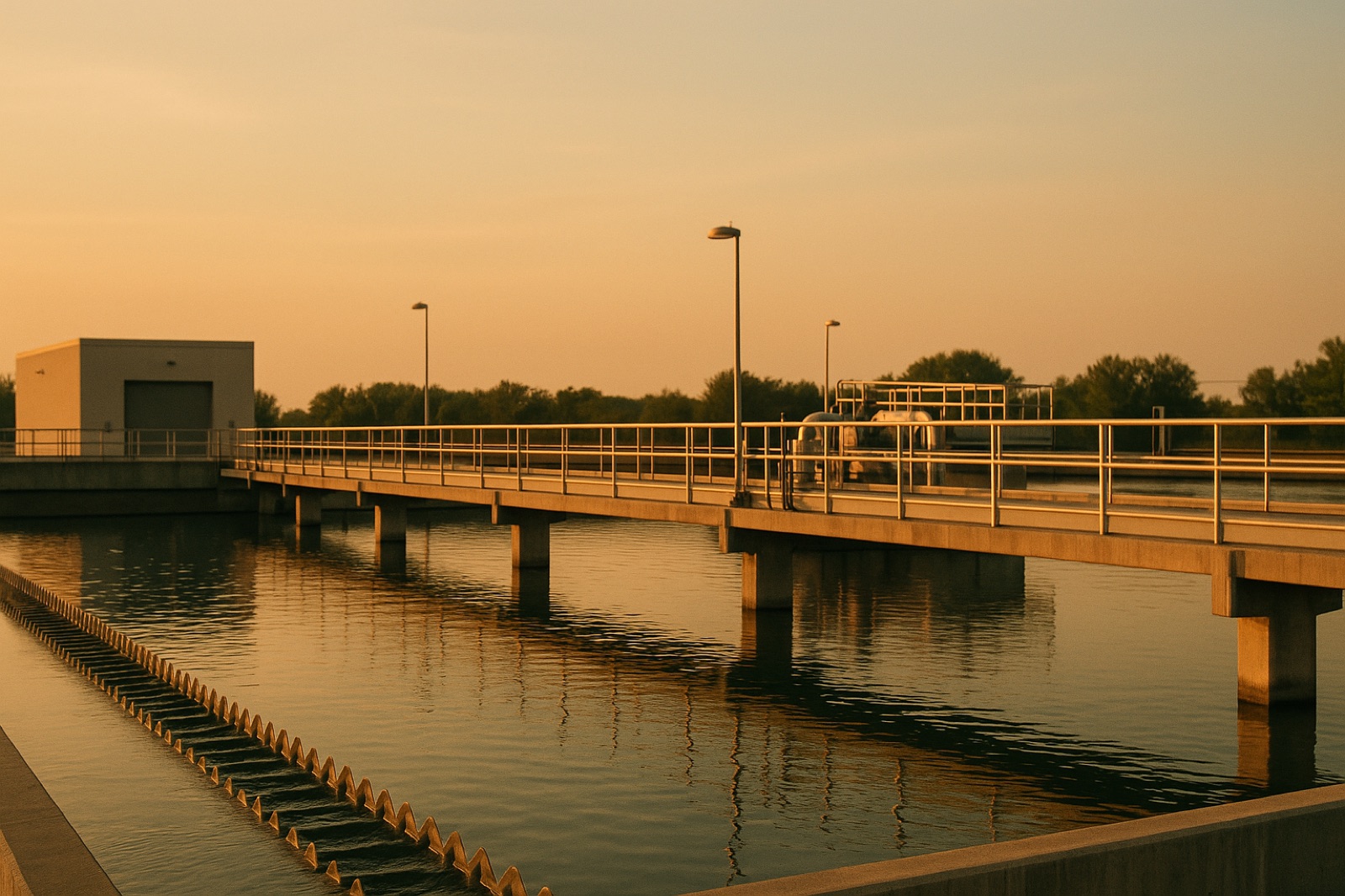
Across the Midwest, aging water infrastructure is prompting communities to face the reality of significant upgrades. These improvements are essential for ensuring the reliability and safety of drinking water, but they come with a price tag that many municipalities struggle to afford.
The Aging Infrastructure Challenge
Many cities and towns in the Midwest are grappling with water systems that are decades old, if not older. As pipes corrode and treatment facilities face operational challenges, the need for repair and replacement becomes urgent. For instance, in Chicago, the city has initiated a comprehensive plan to replace lead service lines, which is part of a broader strategy to modernize its water infrastructure. However, the cost of such extensive updates can be prohibitive, with estimates running into the billions.
Financial Burdens of Upgrades
As water utilities work to maintain compliance with federal regulations and ensure public health, they often must pass the costs of infrastructure upgrades onto consumers. This can translate into higher water bills for residents. In many cases, lower-income households may find it increasingly difficult to pay their bills, leading to a potential public health crisis if households are forced to cut back on water usage.
In Indiana, the situation is particularly pressing as the state struggles with the dual challenge of outdated infrastructure and the increasing demands for water from both residential and industrial users. As highlighted by a recent article from Circle of Blue, the drive for economic growth, particularly with the rise of the AI industry, exacerbates the pressure on already strained water systems.
Consequences of Inaction
Failure to address these infrastructure needs can have dire consequences. Beyond the immediate issue of service interruptions, deteriorating water systems can lead to contamination. Instances of lead leaching into drinking water have already raised alarm bells in various communities.
Additionally, as seen in Puerto Rico, where water shortages have severely disrupted daily life, the consequences of failing water systems extend beyond mere inconvenience. As reported by The Guardian, Puerto Ricans experienced water shortages that deepened frustrations and increased costs. While the Midwest does not face the same climate challenges as Puerto Rico, it is not immune to service disruptions caused by aging infrastructure.
Community Responses and Future Directions
Efforts to improve water infrastructure in the Midwest require collaborative approaches involving local governments, utilities, and residents. Some communities are exploring options such as public-private partnerships to mobilize the necessary funding for upgrades. Others are looking to state and federal grants designed to assist with water system improvements.
As communities navigate these challenges, transparency and public engagement will be crucial. Residents must be informed about the state of their water systems and the necessary investments to ensure safe and reliable service. Building a consensus on how to fund these improvements will require open discussions about prioritizing water as an essential public good.
Ultimately, ensuring that Midwestern water systems are safe and reliable is not just about infrastructure; it is about protecting public health and fostering resilient communities. As cities and towns plan for the future, the emphasis must be on sustainable solutions that address both current needs and long-term viability.