Illinois
Clean Water Challenges in the Midwest: Lessons from NACWA's Top Utilities
Examining best practices from award-winning utilities to enhance water systems in the Midwest.
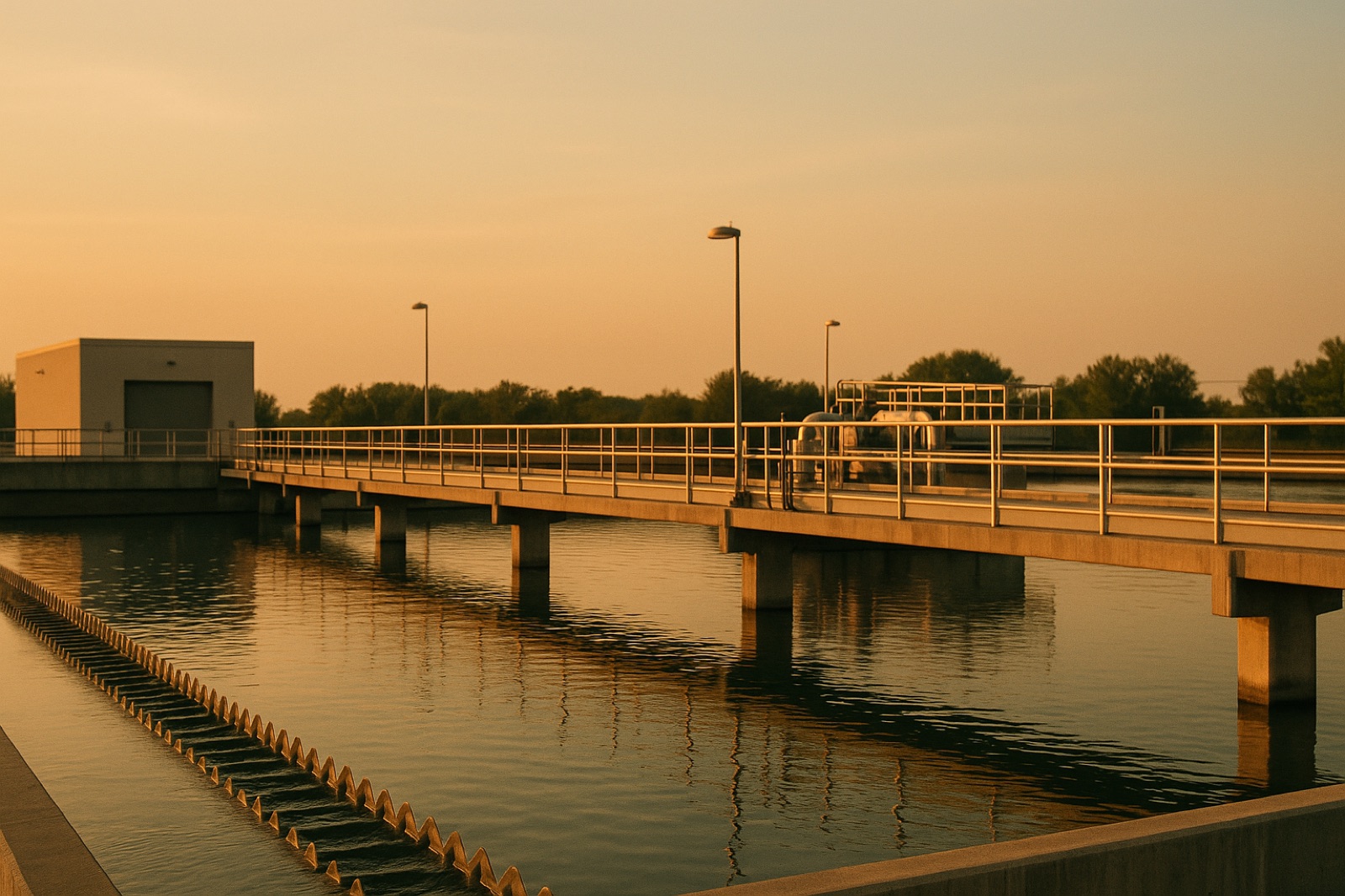
The management of clean water utilities is a critical component of public health and environmental sustainability in the Midwest. Recently, the National Association of Clean Water Agencies (NACWA) recognized top-performing clean water utilities during the 2026 Utility Leadership Conference. This event serves not just as an award ceremony but as a platform for sharing best practices and innovative solutions in water management.
What Makes a Clean Water Utility Outstanding?
A clean water utility is judged on several criteria, including operational efficiency, environmental stewardship, and community engagement. The NACWA awards highlight utilities that have excelled in these areas, showcasing their effective management strategies. For Midwest readers, understanding these practices can pave the way for improved local water systems.
Operational Efficiency
One of the hallmarks of the top utilities is their commitment to operational efficiency. By embracing new technologies and methodologies, they reduce costs while maintaining high-quality water standards. Many utilities are now integrating data-driven approaches that enhance performance metrics and streamline processes. This is increasingly crucial as aging infrastructure demands significant investments, which are often limited.
Environmental Stewardship
Environmental stewardship goes beyond compliance with regulations. Award-winning utilities often implement green infrastructure initiatives, such as rain gardens, permeable pavements, and green roofs, which help manage stormwater effectively. These measures not only reduce the burden on treatment facilities but also enhance local ecosystems. Communities in the Midwest can learn from these initiatives to tackle their own water management issues.
Community Engagement
Another key element that sets apart award-winning utilities is their level of community engagement. Successful utilities actively involve residents in decision-making processes about water management. Public meetings, educational outreach, and partnerships with local organizations help build trust and ensure that community voices are heard. This engagement can lead to better compliance and support for water initiatives, as citizens become more informed about the importance of clean water.
Applying Lessons in the Midwest
Midwest utilities face unique challenges, including aging infrastructure and limited funding. However, the insights gained from the NACWA's honored utilities can provide a roadmap for improvement. The focus on operational efficiency encourages local utilities to explore innovative solutions and technologies that fit their specific needs.
Moreover, prioritizing environmental stewardship and community engagement fosters a holistic approach to water management. Initiatives that involve local stakeholders can lead to creative solutions that not only address immediate water quality concerns but also contribute to long-term sustainability.
Conclusion
As water challenges continue to evolve, looking to successful models in clean water management is essential for communities in the Midwest. The recent recognition of top utilities by NACWA serves as a reminder that excellence in water management is attainable through dedication, innovation, and community collaboration. By learning from these successes, Midwest utilities can enhance their operations and ultimately provide better service to their residents.
For more on this topic, you can read about the recognition of top clean water utilities in greater detail in the article from Water Finance and Management.