Infrastructure
The Changing Landscape of Water Quality Monitoring in the Midwest
An overview of how water quality is being monitored across the Midwest and the challenges ahead.
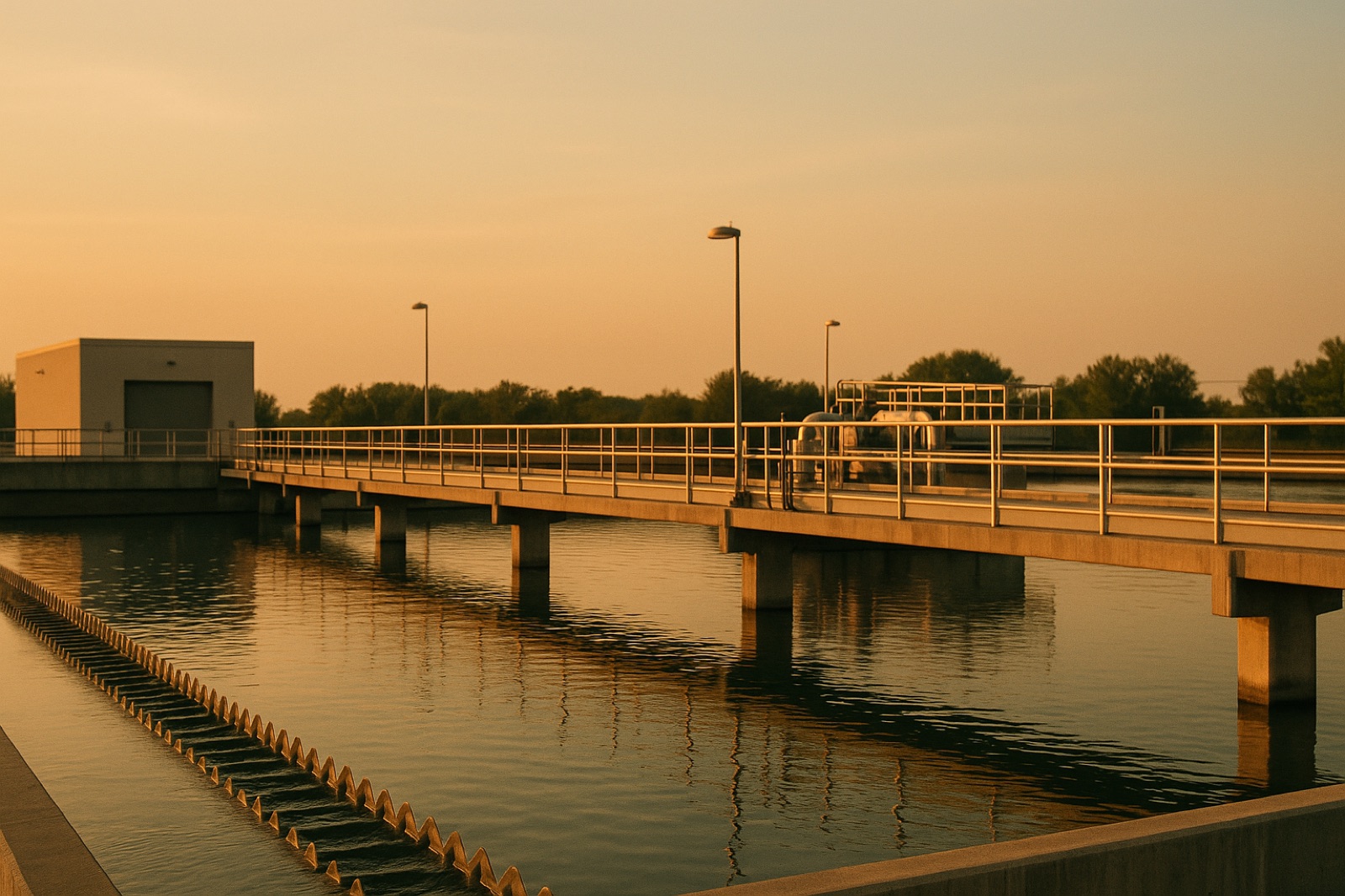
In the Midwest, where agricultural activities often intersect with urban water systems, the quality of water remains a critical concern. As communities grapple with fluctuating water sources and increasing pollution levels, effective water quality monitoring becomes more vital than ever.
The Importance of Water Quality Monitoring
Water quality monitoring plays an essential role in ensuring the safety of drinking water and protecting ecosystems. In the Midwest, local health departments and environmental agencies work together to test water sources for contaminants, including bacteria, heavy metals, and other pollutants. This collaboration is crucial, especially in rural areas where residents often rely on private wells for drinking water.
According to data from the Centers for Disease Control and Prevention, many private wells are not regularly tested, which can lead to undetected contamination. This situation emphasizes the need for regional treatment companies that test private wells and ensure that water quality standards are met.
Recent Developments and Challenges
Recent incidents, such as the water shortages faced by communities in Puerto Rico due to pipeline ruptures, spotlight the fragility of water infrastructure and the potential for crises to emerge in any region, including the Midwest. As reported by The Guardian, the situation in Puerto Rico has led to significant disruptions for residents and businesses alike, reminding us that water infrastructure demands regular maintenance and investment.
In the Midwest, aging infrastructure is a common challenge. Many cities face outdated pipes and treatment facilities that struggle to keep up with modern demands. For example, in regions where agricultural runoff is prevalent, the introduction of nutrients like nitrogen and phosphorus can lead to algal blooms, further complicating water quality management. Monitoring these events is essential to protect both public health and local ecosystems.
Technological Advancements
Advancements in technology are changing how water quality is monitored in the Midwest. Real-time monitoring systems can now provide immediate data on water quality, allowing for quicker responses to contamination events. Sensors placed in water bodies can detect changes in temperature, pH, and the presence of harmful substances. This proactive approach helps communities stay informed and take action before problems escalate.
Additionally, data aggregation platforms are enabling better sharing of information among various stakeholders. Local governments, water utilities, and environmental organizations can now access comprehensive data sets, facilitating collaboration and informed decision-making.
Engaging Communities
Another important aspect of effective water quality monitoring is community engagement. Educational programs that inform residents about the importance of testing their wells and reporting unusual changes in water quality can lead to better outcomes. Encouraging community members to participate in gatherings or workshops can foster a sense of shared responsibility for water resources.
For instance, initiatives that involve local schools in water testing projects not only educate students but also empower them to advocate for better water management practices. By engaging younger generations, communities can cultivate a culture of awareness and responsibility regarding water quality.
Looking Ahead
As we look forward, the challenge of maintaining and improving water quality in the Midwest will require sustained efforts from both public and private entities. Increased funding for infrastructure improvements, enhanced monitoring technologies, and community education are essential components of a comprehensive strategy.
In conclusion, the landscape of water quality monitoring in the Midwest is changing, driven by technological advancements and a growing awareness of the importance of public engagement. By reinforcing our commitment to effective monitoring and management, we can ensure a safe and sustainable water future for all residents.