Infrastructure
Understanding the Intersection of AI and Water Management in the Midwest
Exploring how technological advancements impact water systems and resource management in the region.
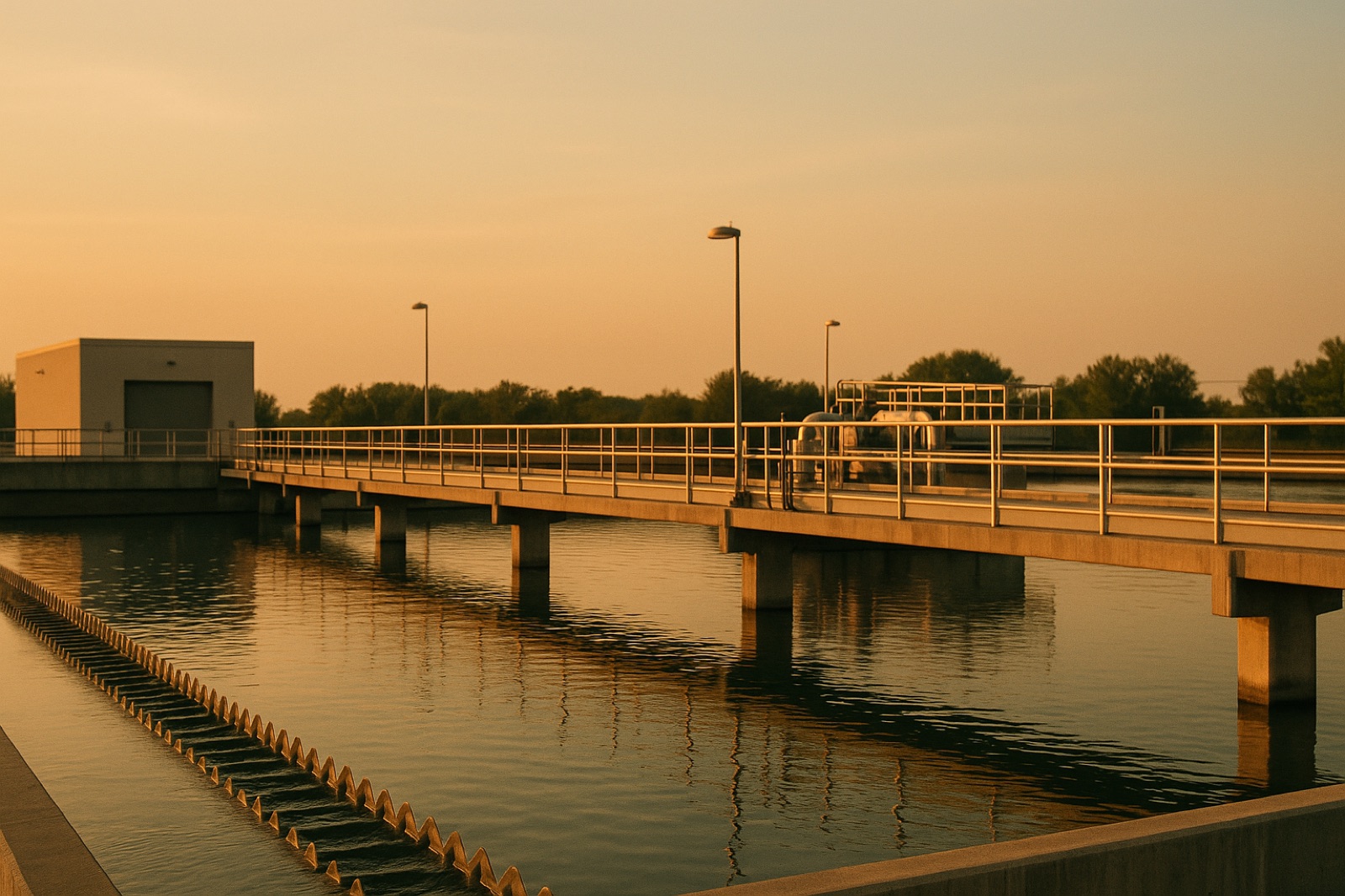
As technology advances, the implications of these developments reach far beyond the devices in our hands. In the Midwest, particularly in states like Indiana, the boom in artificial intelligence (AI) is reshaping the landscape of water management and resource allocation. This intersection of technology and water presents both opportunities and challenges for sustainable management practices.
Artificial intelligence, with its ability to analyze vast amounts of data quickly, is being increasingly integrated into various sectors, including agriculture, manufacturing, and energy. This integration often leads to increased efficiency but can also have hidden costs, particularly when it comes to natural resources like water. In rural Indiana, for instance, the reliance on fossil fuels continues to be prevalent, partly driven by emerging AI technologies. As highlighted by Circle of Blue, the AI boom is prolonging Indiana’s fossil fuel era, with hidden costs for water.
To understand these dynamics, it is essential to consider how water systems operate at a fundamental level. Water management involves not only the physical infrastructure of pipes and treatment facilities but also the policies and technologies that govern water use. In many cases, decisions about water allocation and conservation are based on data analysis. AI can augment these decision-making processes by providing insights that human analysts might miss.
The Role of Data in Water Management
Water systems in the Midwest are designed to handle specific demands based on historical usage patterns. However, as populations grow and climate change impacts weather patterns, these systems face increasing pressure. AI can help by predicting usage trends, optimizing water distribution, and identifying leaks or inefficiencies in the system. For example, smart sensors can monitor water flow and quality in real-time, allowing utilities to respond swiftly to issues.
Moreover, AI can assist in agricultural water management, an essential aspect of the Midwest’s economy. By analyzing weather forecasts, soil moisture levels, and crop needs, AI-driven technologies can help farmers optimize irrigation schedules, ensuring that water resources are used efficiently. This is particularly crucial as farmers face mounting pressure to produce more food with limited water availability.
Challenges and Considerations
Despite the potential benefits, the integration of AI into water management is not without challenges. The reliance on data-driven technologies raises questions about equity and access. Smaller municipalities or rural areas may lack the resources to implement advanced AI systems, leading to disparities in water management capabilities. Additionally, the continued dependence on fossil fuels, as noted in the recent analysis from Circle of Blue, complicates the environmental impact of these technologies. As AI continues to develop, it is crucial for policymakers to ensure that technologies are developed and deployed in a manner that promotes sustainability rather than exacerbating existing issues.
Moreover, the water crisis in regions beyond the Midwest serves as a cautionary tale. For instance, the ongoing water shortages in Puerto Rico triggered by pipeline ruptures have disrupted lives and raised costs for residents, highlighting the vulnerabilities of water systems under stress. Understanding how to prevent similar crises should be a priority for water managers, especially as technology becomes more integrated into their operations.
In conclusion, the intersection of AI and water management in the Midwest offers both opportunities for innovation and challenges that need to be addressed. As technology evolves, it is essential for local leaders, utility managers, and communities to engage in open discussions about the best paths forward. This means not only embracing new technologies but also ensuring that all communities can participate in the water management dialogue and benefit from advancements in a fair and equitable manner.