Illinois
The Intersection of AI Development and Water Resources in Indiana
Exploring how the AI boom in Indiana is impacting water systems through increased fossil fuel reliance.
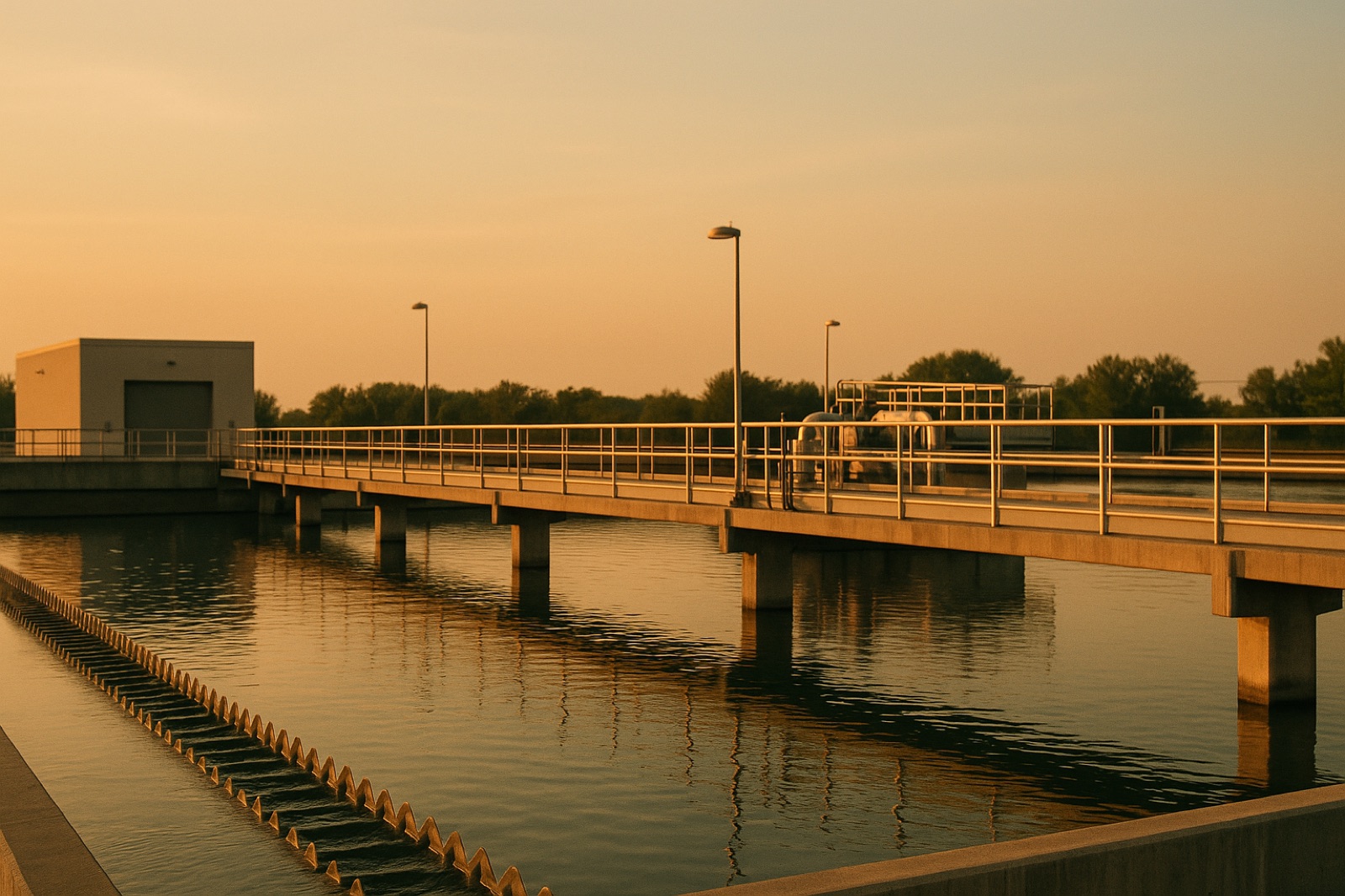
As Indiana embraces the rapid expansion of artificial intelligence (AI), the potential impacts extend beyond technology and into critical areas like water resources. The relationship between energy production and water use is increasingly complex, particularly in a state known for its coal production. The recent article from Circle of Blue, authored by Christian Thorsberg, outlines how the AI boom is inadvertently prolonging Indiana's reliance on fossil fuels, leading to hidden costs for water quality and availability.
Understanding the Link Between Energy and Water
The water-energy nexus is a crucial concept for understanding how energy production affects water systems. In Indiana, a significant portion of electricity generation still comes from coal plants, which require substantial amounts of water for cooling and processing. This demand places additional stress on local water resources, especially in light of increasing temperatures and variable rainfall patterns. As AI companies continue to grow, their energy needs might drive further demand for fossil fuel-based power, which could exacerbate these existing issues.
The Risks of Increased Water Stress
As AI technologies demand more energy, the implications for water systems can be profound. Increased fossil fuel reliance means more pollutants entering waterways, further straining ecosystems already challenged by agricultural runoff and urban development. The article notes that these developments can lead to "hidden costs for water," a phrase that underscores the often-overlooked consequences of energy decisions on water quality and availability. For communities near coal plants, this can mean degraded water sources, affecting everything from drinking water to agricultural irrigation.
Addressing the Challenges
Recognizing the interconnectedness of water and energy, many experts argue for a more holistic approach to policy-making. Stakeholders in Indiana must consider the water impacts of energy production as they develop regulations surrounding AI development and energy generation. This involves investing in cleaner energy technologies that reduce water usage and pollution, such as wind and solar power. Transitioning to these alternatives not only addresses environmental concerns but also aligns with broader efforts to combat climate change.
Community Engagement and Policy Reforms
Communities across Indiana are encouraged to engage in discussions about local energy policies and their impacts on water resources. Local governments, businesses, and residents alike must collaborate to advocate for solutions that prioritize sustainable water use alongside energy generation. This might include reforms in water management practices, increased funding for water conservation projects, and educational initiatives about the importance of protecting local water sources.
Conclusion
The AI boom presents both opportunities and challenges for Indiana, particularly concerning water resources. As the state navigates this technological transformation, it is essential to foster a balanced approach that considers the long-term health of water systems. By linking discussions about AI development with water management strategies, Indiana can work towards a sustainable future that protects its natural resources for generations to come.