Illinois
The AI Boom and Its Ripple Effects on Indiana's Water Resources
Exploring the hidden costs of water use amidst Indiana's energy landscape.
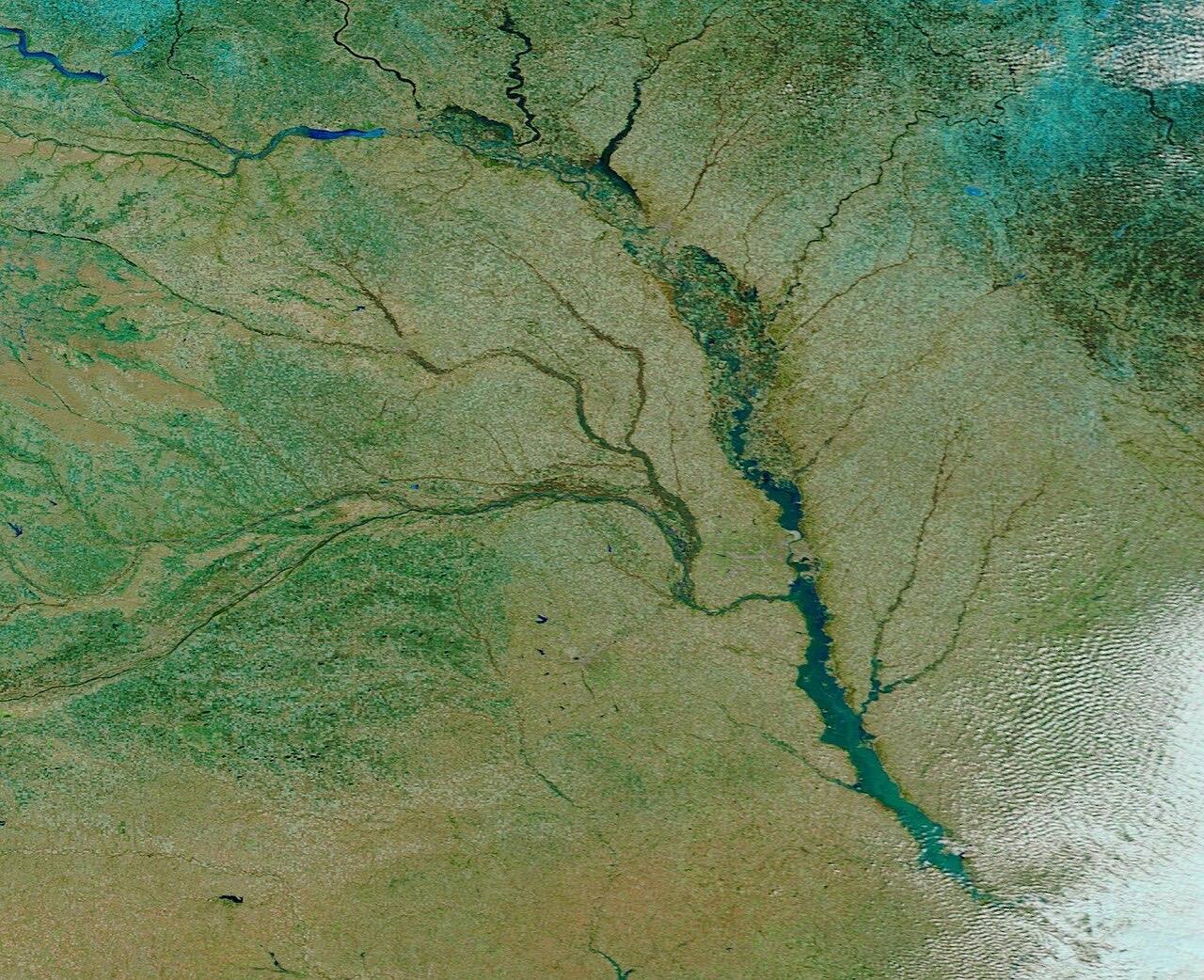
As Indiana embraces the rapid expansion of the artificial intelligence (AI) sector, the implications for the state’s water resources are beginning to surface. The intersection of technology and traditional fossil fuel infrastructure presents a complex challenge for the state, particularly in rural areas where water is already a precious commodity.
The Energy Landscape in Indiana
Indiana has long been associated with fossil fuel production, particularly coal. The state's energy grid is still heavily reliant on coal-fired power plants, many of which are located in rural communities. These plants not only impact the air quality but also significantly affect local water resources. As the AI industry grows, it brings with it an increased demand for power, which in turn can lead to greater water use for cooling systems and other operational needs.
A report from Circle of Blue highlights how the AI boom is prolonging Indiana’s fossil fuel era, resulting in "hidden costs for water." This statement underscores the fact that while AI offers the potential for innovation and economic growth, it can also exacerbate existing environmental challenges.
The Water-Energy Nexus
The relationship between water and energy is known as the water-energy nexus, which is especially pronounced in states like Indiana. Fossil fuel extraction and coal power generation require substantial amounts of water for processing and cooling. As the AI sector expands, energy consumption is predicted to rise, leading to a cascade of effects on local water supplies.
For instance, in rural areas where water resources are limited, increased energy demands can strain existing supplies. Municipalities may face difficult decisions regarding water allocation, prioritizing residential and agricultural needs while balancing the demands of industrial energy use. This is particularly crucial in areas like Jasper County, where the local population is already small and resources are finite.
Community Impacts and Policy Considerations
As Indiana strives to attract AI companies, local communities must grapple with the implications of this growth on their water resources. The conversation around water management will be pivotal in shaping policies that address both energy needs and environmental sustainability. Local leaders must engage in comprehensive planning that considers long-term water usage and environmental health.
To mitigate the challenges posed by the AI boom, Indiana could explore strategies such as enhancing water conservation practices, investing in more efficient cooling technologies for power plants, and advocating for the adoption of renewable energy sources. Such measures would not only benefit the environment but could also ensure that communities have access to reliable water supplies without compromising their health or livelihoods.
Looking Ahead
The coming years will be critical for Indiana as it navigates the intersection of AI development and water resource management. The state has an opportunity to showcase how innovation can coexist with environmental stewardship. By prioritizing sustainable practices and engaging with community stakeholders, Indiana can work towards a future that balances economic growth with the preservation of its natural resources.
Ultimately, the AI boom in Indiana presents both challenges and opportunities. As water resources continue to be stretched by industrial demands, the state must act now to secure a sustainable water future for its residents. The convergence of technology and traditional industries must be managed with foresight to avoid steep consequences for both people and the environment.