Infrastructure
The Role of Advanced Metering Infrastructure in Modern Water Systems
Advanced metering infrastructure could reshape how communities manage their water resources and restore public trust.
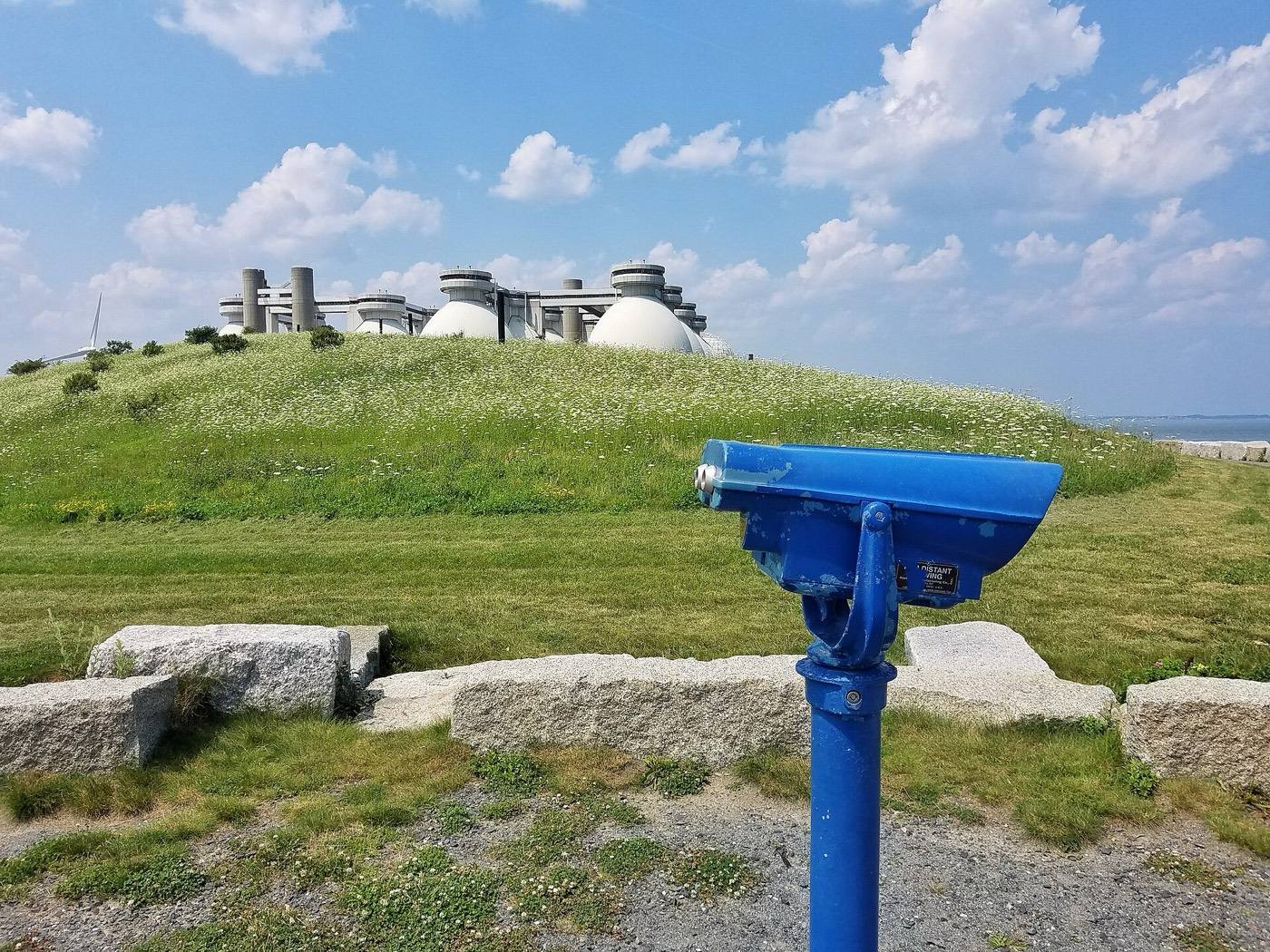
Water systems across the Midwest face a plethora of challenges, from aging infrastructure to fluctuating climate conditions. To navigate these issues, utilities are increasingly turning to advanced metering infrastructure (AMI) as a solution. This technology offers a variety of benefits, including improved data collection, more accurate billing, and enhanced leak detection. As communities seek to modernize their water systems, the implementation of AMI has emerged as a key strategy.
What is Advanced Metering Infrastructure?
Advanced metering infrastructure consists of smart meters and communication networks that allow for real-time data collection and transmission. Unlike traditional water meters, which require manual reading, smart meters provide continuous information about water usage. This data can help utilities identify patterns, manage supply more effectively, and reduce non-revenue water.
Addressing Non-Revenue Water
Non-revenue water refers to water that is produced but not billed to customers, often due to leaks, metering inaccuracies, or unauthorized consumption. In some regions, non-revenue water can exceed 30 percent of total production, leading to significant financial losses for utilities. The Water Finance and Management reported that AMI technology is key in reversing this trend, emphasizing that accurate data collection can help utilities identify leaks quickly and minimize waste. Enhanced leak detection can prevent water loss and ensure that communities use their resources more wisely.
Restoring Public Trust
Another significant advantage of AMI technology is its potential to restore public trust in local water systems. With accurate billing and transparent data, utilities can foster better relationships with their customers. When residents receive unexpected high bills due to meter inaccuracies, dissatisfaction can grow, leading to skepticism about the utility’s operations. By implementing AMI, utilities can ensure that billing is based on actual usage, thereby enhancing customer satisfaction.
Challenges to Implementation
Despite the clear benefits of advanced metering infrastructure, there are challenges associated with its adoption. First, the initial costs of installing smart meters and communication systems can be substantial. Utilities must balance these costs with the long-term savings and efficiencies gained from better data management.
Moreover, there are concerns related to data privacy and security. As utilities collect more information about water usage patterns, they must also protect this data from potential breaches. Ensuring that customer data is secure is essential to maintaining public trust.
Looking Ahead
As more utilities explore the implementation of advanced metering infrastructure, the potential for improved water management in the Midwest becomes clearer. Utilizing technology not only helps in monitoring and managing water supplies but also plays a crucial role in addressing broader environmental challenges. As noted in the Circle of Blue, the interplay between technological advancements and traditional resource management is complex and requires careful consideration.
Ultimately, the transition to AMI represents a shift toward more sustainable and efficient water management practices. By investing in advanced technologies, Midwest communities can ensure that they are better prepared to face the challenges associated with their water systems while also fostering a more transparent relationship with their residents.