Great Lakes
Addressing Water Contamination in the Midwest: Lessons from North Bay
Exploring the implications of PFAS contamination and the responses shaping local water systems in the Midwest.
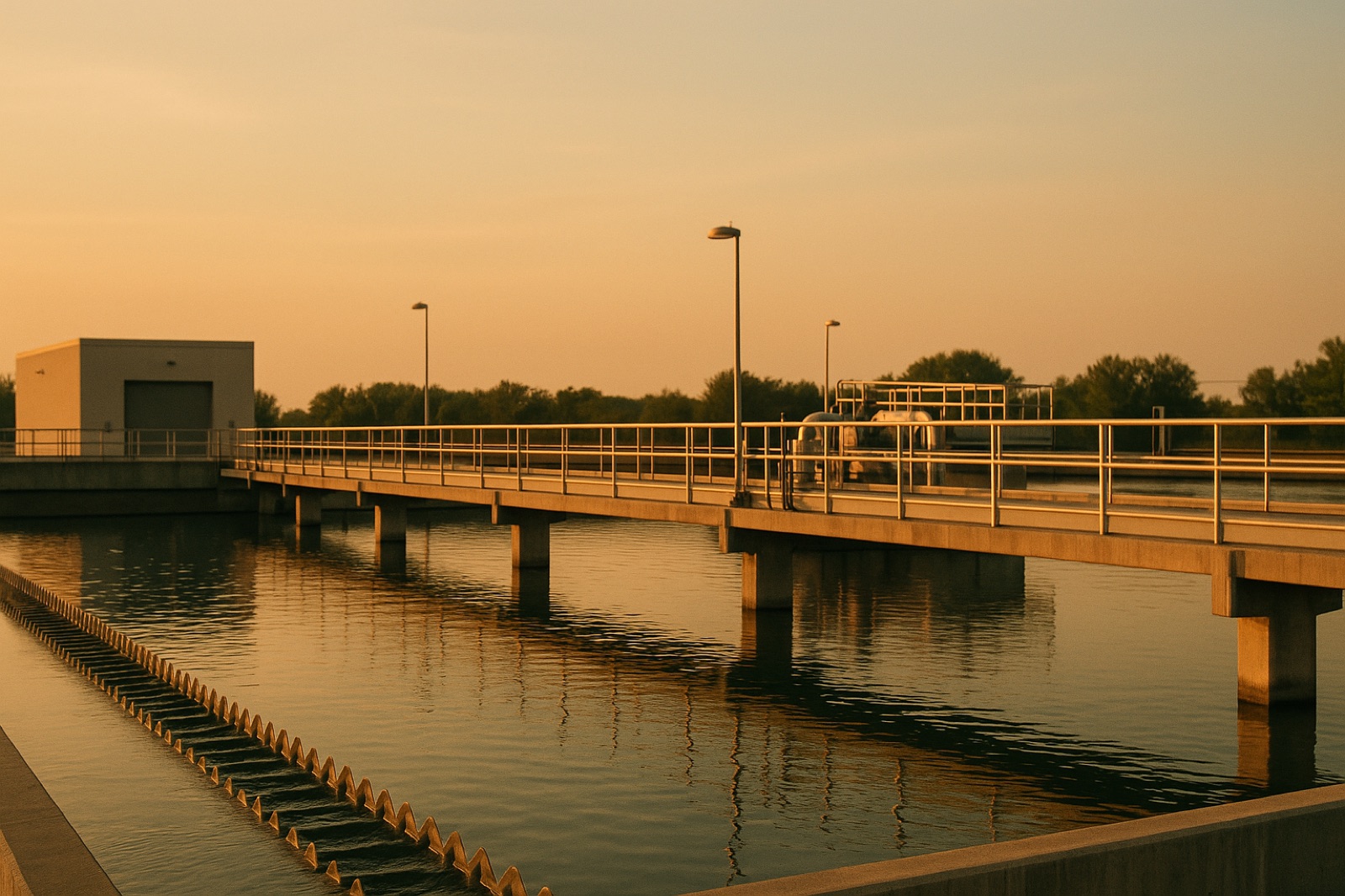
The Great Lakes are a vital resource for millions living in the Midwest, providing drinking water, recreation, and opportunities for industry. However, the region faces significant challenges stemming from contaminants, particularly per- and polyfluoroalkyl substances (PFAS), commonly referred to as "forever chemicals" due to their persistence in the environment and human body.
Understanding PFAS and Their Impact
PFAS are a group of synthetic chemicals used in a variety of industrial applications and consumer products, including non-stick cookware, water-repellent fabrics, and food packaging. Their widespread use has led to contamination of water supplies and raised concerns about long-term health effects. As local water systems grapple with PFAS contamination, communities are looking for effective strategies to address this complex issue.
Recently, a story from Circle of Blue highlighted the situation in North Bay, Ontario, where federal officials gathered to discuss remediation plans for the city's waterways, contaminated by PFAS left behind by industrial activities. The article noted that concerned citizens were eager to hear how these plans would unfold, reflecting a regional anxiety about water safety and the effectiveness of government measures.
Comparing Responses Across Borders
In the Midwest, similar patterns of contamination have emerged, prompting local governments and water authorities to explore various remediation techniques. For instance, municipalities are investing in advanced filtration systems and public health monitoring to manage PFAS levels in drinking water. These proactive measures echo the steps taken in North Bay, where active engagement with citizens has become a cornerstone of the remediation process.
In many cases, the urgency to address PFAS contamination has resulted in collaboration between state agencies, local governments, and environmental organizations. The goal is to establish a comprehensive approach to water management that prioritizes public health while also considering economic viability.
The Role of Community Involvement
Community engagement is an essential aspect of successfully addressing water contamination. In North Bay, as reported by Circle of Blue, residents were not only informed about the contamination but also invited to participate in discussions about possible solutions. This grassroots involvement can lead to more tailored approaches that are sensitive to local needs and concerns.
In the Midwest, similar community-driven initiatives are gaining traction. Public meetings and educational campaigns are increasingly common, helping residents understand the science behind PFAS, its sources, and the steps necessary to mitigate its impacts. This knowledge empowers communities to advocate for necessary changes in policy and practice.
Looking Ahead: Future Challenges and Solutions
As the Midwest continues to confront the challenges posed by PFAS and other water contaminants, the experiences of places like North Bay could serve as a guide. It is clear that addressing water quality issues requires a multifaceted approach, combining technological innovation, regulatory action, and community involvement.
The path forward will likely include stricter regulations on the use of PFAS, investment in new water treatment technologies, and ongoing research into the long-term effects of these chemicals. Importantly, establishing clear communication channels between authorities and the public will be vital in restoring trust and ensuring that residents feel safe about their water supply.
As communities across the Midwest learn from one another and share best practices, there is hope that concerted efforts will lead to cleaner water and healthier ecosystems. Addressing PFAS contamination is indeed a daunting challenge, but with collaboration and vigilance, it is a challenge that can be met.